How to Open Sash Windows
Sash windows are a beautiful feature on older Scottish homes.
When they’re working well, they slide open and closed with ease. When they’re not working well, they stick, jam, rattle, and refuse to budge, no matter how hard you push.
If you’re standing in front of a sash window right now, wondering why it won’t move, you’re probably not alone.
This guide covers how to open sash windows that have stuck, written by expert Glasgow window repairers.
How Do Sash Windows Work?
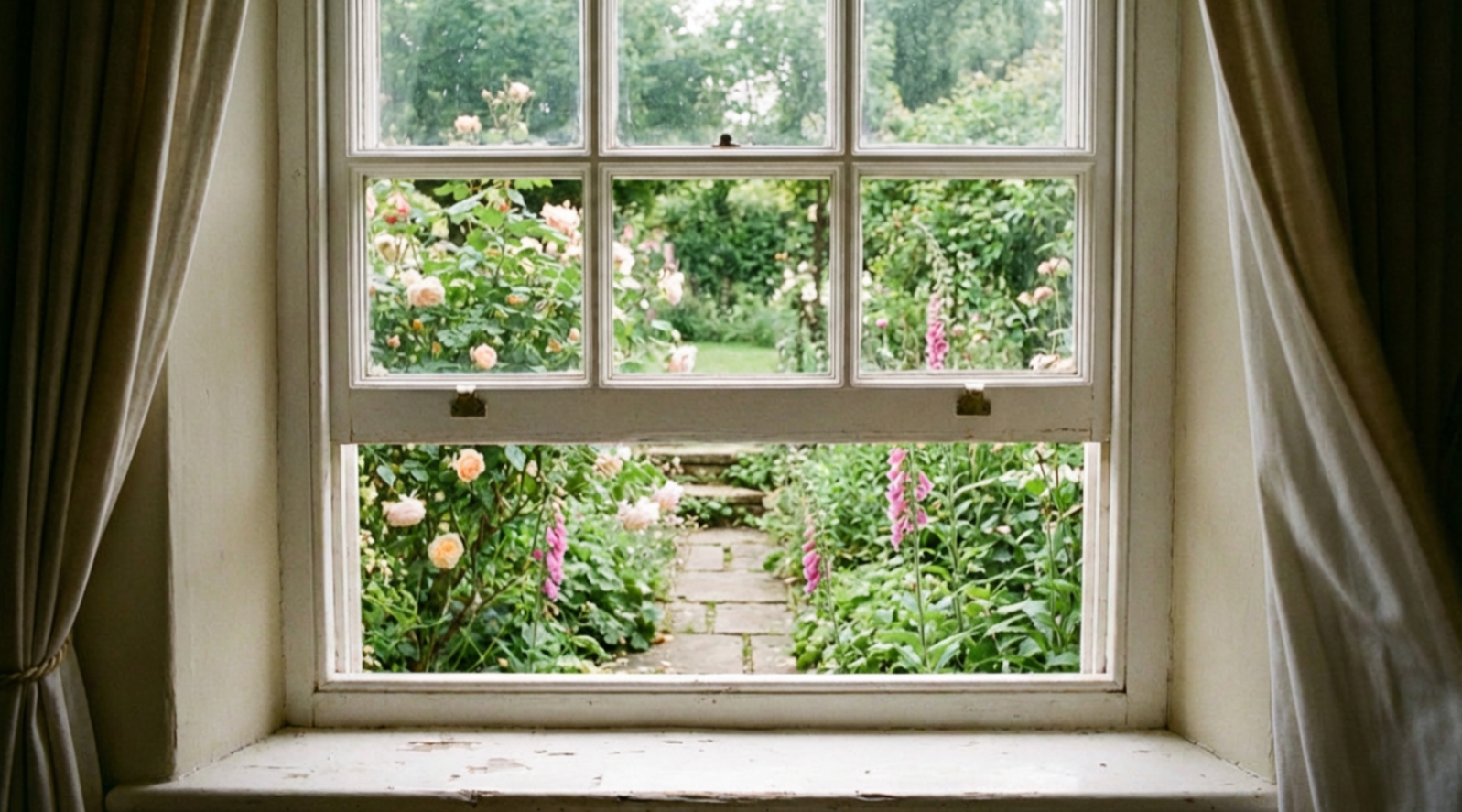
A traditional sash window has two panels (called sashes) that slide vertically in grooves cut into the window frame. The bottom sash slides upward and the top sash slides downward, with each sash balanced by weights hidden inside the frame and connected by cords running over pulleys at the top.
When you lift the bottom sash, the weights on the other end of the cord drop inside the frame cavity and hold the sash in position at whatever height you’ve opened it to.
The same system works in reverse for the top sash, which you lower rather than lift. The cords and pulleys make the sashes feel almost weightless when everything is working correctly.
Modern uPVC sliding sash windows use spring balances rather than weights and cords, but the principle is the same.
Two sashes that slide vertically within a frame, with a balancing mechanism that holds them in place.
Some modern sash windows also tilt inward for cleaning. This adds a latch or lock mechanism that needs releasing before the sash will slide.
How to Open a Sash Window: Bottom Sash, Top Sash, and Tilt
Opening the bottom sash
Unlock the window by releasing the latch or catch at the meeting rail (the horizontal bar where the top and bottom sash meet in the middle of the frame).
On older windows, this is usually a crescent-shaped catch that you rotate to unlock. On modern sash windows, it may be a lever or button.
Once the latch is released, place both hands flat on the bottom rail of the lower sash and push upward with steady, even pressure. The sash should slide up in its grooves.
If it moves freely, you’re done. If it sticks, don’t force it and continue reading the guide.
Opening the top sash
The top sash is opened by pulling it downward.
On some sash windows, you need to unlock a separate latch or release the meeting rail catch before the top sash will move.
Place your hands on the top rail of the upper sash and pull downward with even pressure. Lower the top sash to the height you want for ventilation, and the weights or springs will hold it in place.
Opening both the bottom and top sash at the same time creates excellent airflow through the room, because warm air exits through the top gap while fresh air enters through the bottom.
This dual ventilation gives you access to the outside air without having to leave a door open.
You can close the window again by reversing the process.
Push the sash back to its original position and lock the latch. This is one of the reasons sash windows remain popular for ventilation, even in properties that have been largely modernised.
Tilting modern sash windows inward
If you have modern uPVC or timber sliding sash windows with a tilt function, there’s an additional step.
To tilt the sash inward, you need to engage the tilt mechanism.
This varies by manufacturer, but typically involves sliding two release catches at the top of the sash inward, then pulling the top of the sash toward you so it pivots on its lower hinges.
Not all sash windows tilt. Traditional timber sash windows don’t have this feature.
If you’re not sure whether yours do, look for release buttons or catches at the top corners of the sash panel.
Why Sash Windows Stick, Swell, and Get Painted Shut
If your sash window won’t open, the cause is almost always one of these four things.
Paint build-up
By far the most common reason for a stuck sash window.
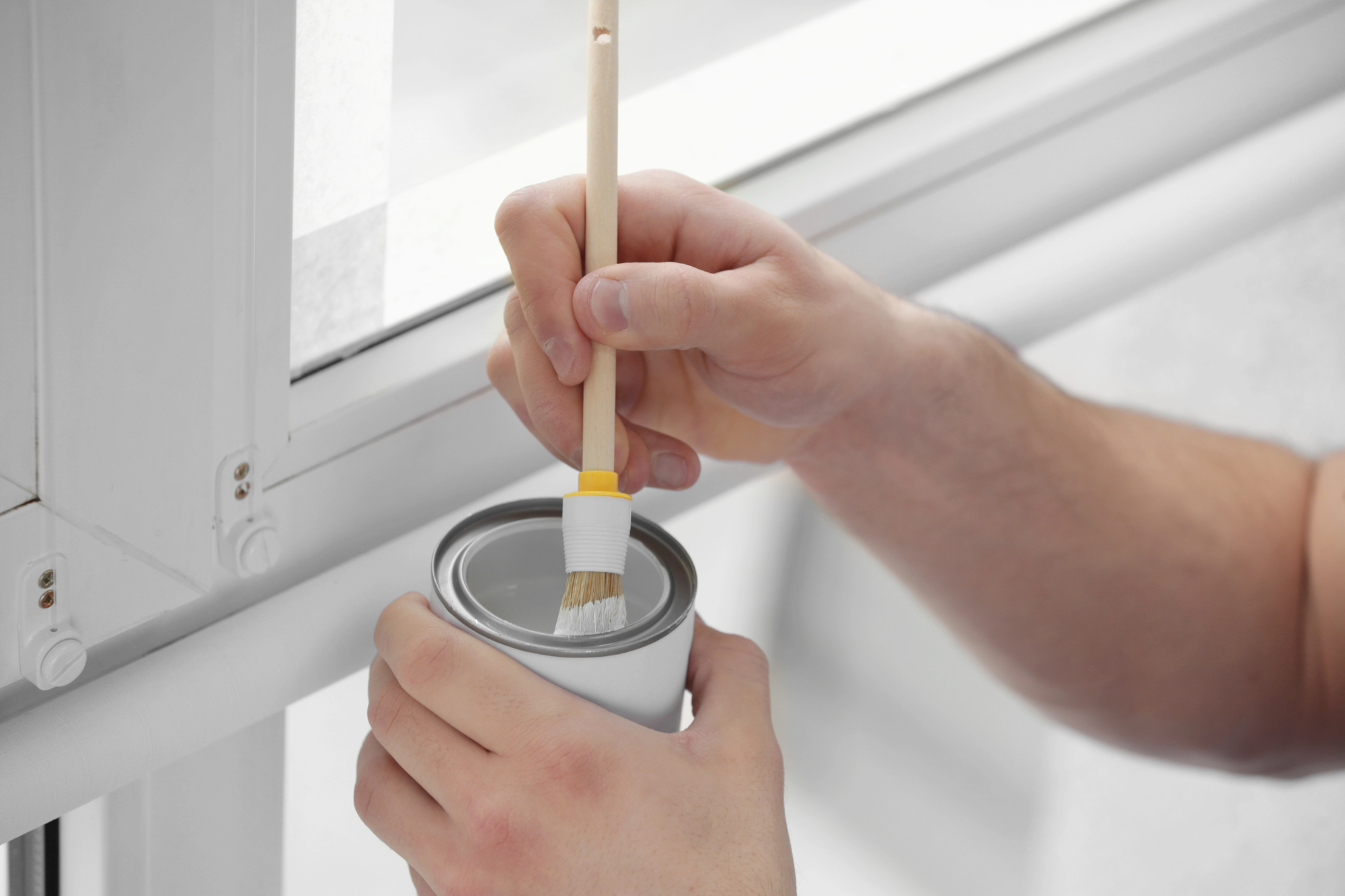
Every time a sash window is painted, a thin layer of paint bridges the gap between the sash and the frame.
Over decades of repainting, those layers of paint build up until the sash is effectively glued shut. A window that has been painted shut can feel completely immovable even though the mechanism underneath is fine.
Timber swelling
Older sash windows with timber frames swell when they absorb moisture.
In Scotland’s climate, damp winters and wet springs cause the wood to expand, and the sash gets tighter in its grooves until it won’t slide at all.
The window may free up again in dry weather as the timber shrinks back, but repeated swelling cycles eventually warp the frame and make the problem permanent.
Broken or missing sash cords
If the cord connecting the sash to its counterweight has snapped or come loose, the sash loses its balance.
It becomes heavy and difficult to lift, and if both cords have failed, the sash may drop to the bottom of the frame and refuse to stay open at all.
You can usually tell if a cord has broken because the sash feels much heavier than it should and won’t stay in position when you open it.
Worn or damaged hardware
Catches, latches, locks, and the pulleys at the top of the frame can all seize, bend, or break over time.
A seized latch stops you from unlocking the window in the first place. Worn pulleys add friction that makes the sash harder to slide.
Damaged locks may hold the sash in the closed position even when you think you’ve unlocked them.
How to Open Stuck Sash Windows Without Damaging Them
If your sash window is stuck, try these approaches gently.
The goal is to free the sash without damaging the wood, the glass, or the mechanism.
Breaking the paint seal
Run a sharp craft knife or paint scraper along the joint between the sash and the frame on both sides and across the top and bottom.
Score through the layers of paint carefully, working the blade into the gap without gouging the wood.
Once you’ve cut through the paint on all four sides, try opening the window again.
If it’s been painted shut, this alone often frees it.
For stubborn paint, a putty knife or a thin, flexible blade wedged gently into the gap between the sash and the frame can help break the bond.
Work along the full length of each side rather than prying at one corner, because concentrated force can crack the glass or split the timber.
Dealing with swollen timber
If the sash has swollen and is jammed tight in its grooves, a small amount of candle wax or soap rubbed along the channels can help.
If the sash moves at all but sticks partway, work it back and forth a few centimetres at a time, applying wax to the channels as you go.
Once the sash is free, sand the contact points lightly with fine sandpaper to remove the high spots that caused the sticking. Make sure to seal the bare wood to prevent moisture from getting back in.
In cases of severe swelling, a professional window repair may be needed.
Scraping or planing the sash channels is a job that requires care to avoid damaging the wood or creating gaps that let draughts through.
If the timber has warped rather than just swollen, the frame may need rebuilding or replacing.
Replacing broken sash cords
If the cords have snapped, the sash needs to come out of the frame so the cords and pulleys can be accessed.
This involves removing the staff bead, lifting the sash out, and feeding new cord through the pulley and down to the weight inside the frame cavity.
If you haven’t done it before, getting it wrong can leave the window worse than it was.
Replacement sash cord is readily available, and the job usually takes about an hour per window for a professional.
If several windows need re-cording at the same time, it’s worth getting them all done together to save yourself from multiple callout fees.
How to Keep Your Sash Windows Working Smoothly
A bit of routine maintenance goes a long way toward keeping your sash windows in optimal working order and preventing them from getting stuck.
Humidity and moisture are the enemies of timber sash windows, so keeping the wood dry and sealed is half the battle.
Open and Close the Sash Windows Regularly
Windows that sit closed for months are more likely to stick. This is because paint dries in the closed position and timber settles into the frame.
Moving the sash every few weeks prevents the gap from sealing up.
Wax or Lubricate the Channels
A thin layer of candle wax or silicone spray on the grooves where the sash slides reduces friction and helps the window glide open smoothly.
Aim to do this once or twice a year.
Don’t Paint the Sash Shut
When repainting, open the sash and paint the frame and sash separately.
Let each coat dry fully before closing the window, and run a blade along the joints before the final coat sets.
Address Moisture Problems
If your sash windows swell repeatedly, the underlying problem is moisture getting into the timber.
Check for failed putty, gaps in the external paint, and poor drainage around the sill.
Fixing the moisture source prevents the swelling cycle.
Check the Cords
If a cord looks frayed or the sash feels heavier than usual, get it replaced before it snaps completely.
A broken cord puts extra strain on the remaining cord and the pulleys.
When to Call a Specialist for Sash Window Repair
Not sure how to fix your sash windows? Bring in the experts.
Totalseal Repairs has over 30 years of experience fixing window problems all over Central Scotland. From broken locks and hinges to faulty double glazing, we will be more than happy to take a look at your windows and diagnose the problem. from stuck sash and casement windows to stuck tilt and turns, we have the experience to help.
All our work comes with a 5-year guarantee, and we’ll always tell you honestly whether a repair is the right answer or whether the window needs more than we can reasonably fix.
Get the most out of your double glazing benefits and call us today to receive your free, no-obligation quote.