Bathroom Condensation: Why It Happens and How to Stop It
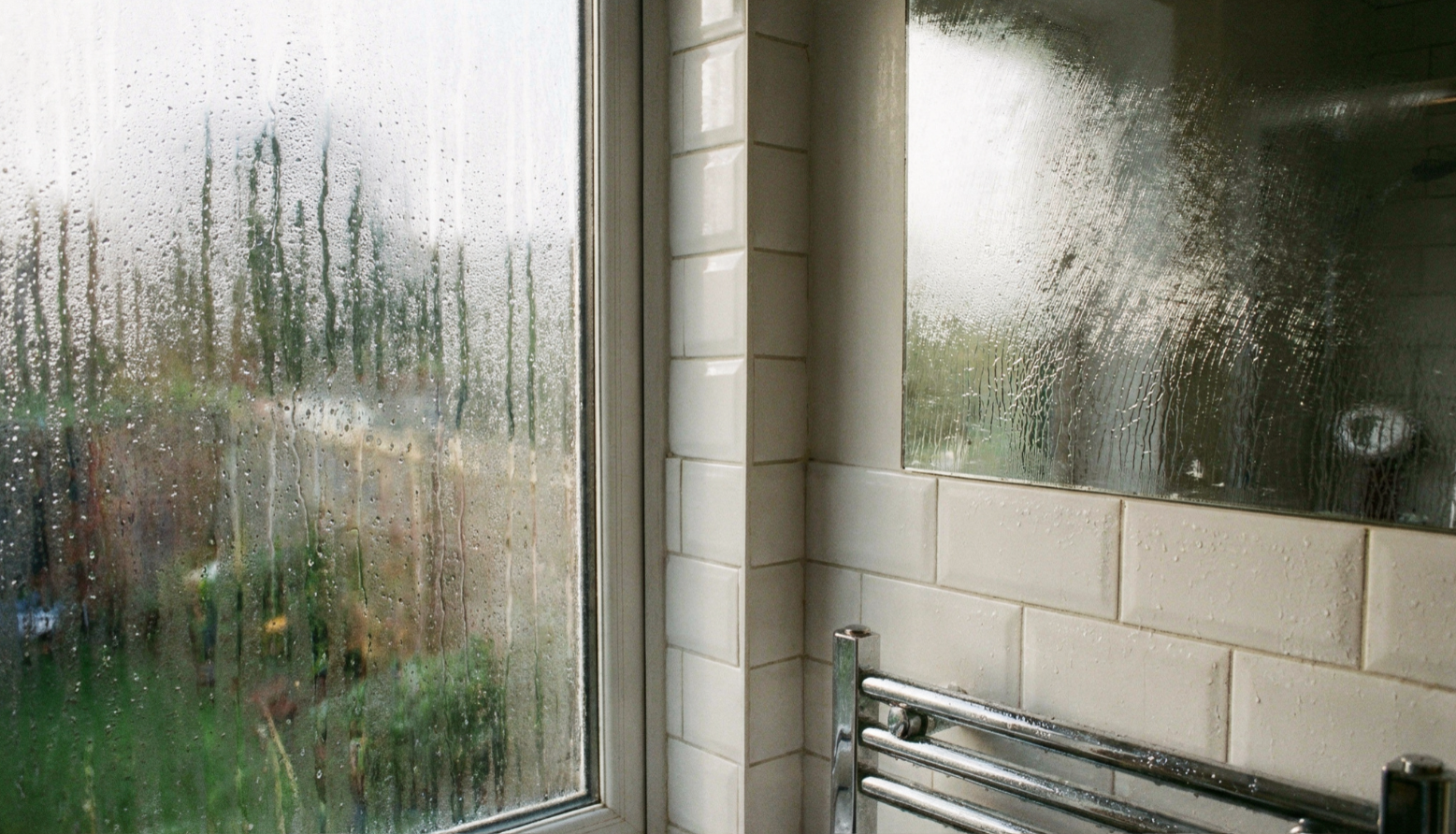
You run a hot shower, steam fills the room, and within minutes the mirror fogs up. That’s normal.
What isn’t normal is condensation that lingers for hours, comes back every day, or leads to black mould growing in the corners of the ceiling and around the window frame.
Persistent bathroom condensation is a sign that too much moisture is staying in the room for too long.
Left unchecked, it leads to damp, mould, peeling paint, and damage to the window seals and frames.
What Causes Bathroom Condensation? – By Double Glazing Repair Glasgow Specialists
Condensation forms when warm, moist air meets a cold surface.
In a bathroom, the moisture comes from hot water in the shower, the bath, and the sink.
When you run a shower, the water temperature turns some of that water into steam, and the steam carries moisture into the air.
The warm, moist air then hits the coldest surfaces in the room. Usually, your window glass, external walls, or mirror. This causes the moisture to condense back into liquid water.
The amount of condensation depends on three things.
How much moisture is being produced, how cold the surfaces are, and how quickly the moist air is being removed from the room.
A bathroom with no ventilation, single glazed windows, and uninsulated external walls will produce far more visible condensation than a well-ventilated bathroom than a double glazing and proper insulation. Even if the same amount of hot water is being used.
In wintertime, when the outside is colder, more condensation is typically produced.
Why Bathroom Condensation Causes Damp and Mould
Condensation itself isn’t harmful. It’s just water.
But when that water sits on surfaces for hours without being wiped away or dried by ventilation, it creates the perfect conditions for damp and mould to take hold.
Mould needs three things to grow.
Moisture, a surface to grow on, and a temperature above about 4 degrees.
A bathroom with regular condensation provides all three.
The corners of the ceiling, the silicone around the bath or shower, the rubber seals on the window, and the grout between tiles are all common spots for mould growth.
And it just so happens that these are the places that stay damp the longest after the condensation forms.
Black mould in particular thrives in bathrooms and can spread quickly if the underlying moisture problem isn’t addressed.
It looks unpleasant, it smells musty, and prolonged exposure to mould spores can aggravate respiratory conditions, allergies, and asthma.
Mould issues in bathrooms are almost always caused by condensation that isn’t being managed properly, rather than by a leak or rising damp.
How to Prevent Condensation and Improve Ventilation in Your Bathroom
Improve Ventilation
Ventilation is the single most effective way to reduce bathroom condensation. The goal is to get moist air out of the room before it settles on cold surfaces and condenses.
An extractor fan is the best option.
A properly sized extractor fan fitted in the ceiling or wall pulls humid air out of the bathroom and vents it to the outside.
If your bathroom already has an extractor fan but condensation is still a problem, check that it’s working properly.
Hold a piece of tissue near the grille while it’s running. If the tissue doesn’t get pulled toward the fan, the motor may be worn or the ducting may be blocked.
If you don’t have an extractor fan, open a window during and after every bath or shower. Even a small opening lets moist air escape and fresh, drier air enter.
Leaving the window open for 15 to 20 minutes after you’ve finished showering makes a noticeable difference.
If your bathroom window is stuck or won’t open, that’s a separate problem worth getting fixed.
Keeping the bathroom door open after showering also helps, though it does spread some moisture into the hallway.
Use a Dehumidifier
A small dehumidifier in the bathroom draws excess moisture out of the air electrically.
It’s a useful addition if ventilation alone doesn’t solve the problem, particularly in bathrooms with no window or limited airflow.
Portable dehumidifiers work for occasional use, while wall-mounted units can run continuously in bathrooms with persistent humidity issues.
Reduce the Amount of Moisture You Produce
Shorter showers, slightly lower water temperature, and putting the cold water in the bath before the hot water to reduce the amount of steam released, all help reduce the amount of condensation your bathroom produces.
You will never be able to eliminate it entirely, but less steam means less moisture on the surfaces.
Hanging wet towels in the bathroom after bathing adds moisture to the space long after the shower has stopped running.
If possible, dry towels in another room or on a heated towel rail that dries them faster.
Insulate Cold Surfaces
Condensation forms on the coldest surfaces first.
If your bathroom has uninsulated external walls, cold water pipes running through the room, or single glazed windows, those are the surfaces that attract the most moisture.
Insulating cold water pipes with foam lagging prevents condensation forming on the pipe surface.
Adding insulation to external walls (either internally or externally) raises the surface temperature and reduces the temperature difference that causes condensation.
And upgrading from single glazing to double glazing keeps the inner pane of glass warmer.
If your double glazed windows have failed, repairing the fault can help reduce condensation too.
Keep the Bathroom Warm
A bathroom that cools down rapidly after heating creates the perfect conditions for condensation.
Keeping a low level of background heating in the bathroom (a heated towel rail left on, or the radiator set to a moderate temperature) maintains room temperature and keeps surfaces warmer.
Warmer surfaces attract less condensation because the temperature gap between the air and the surface is smaller.
When Bathroom Condensation Points to a Window Problem
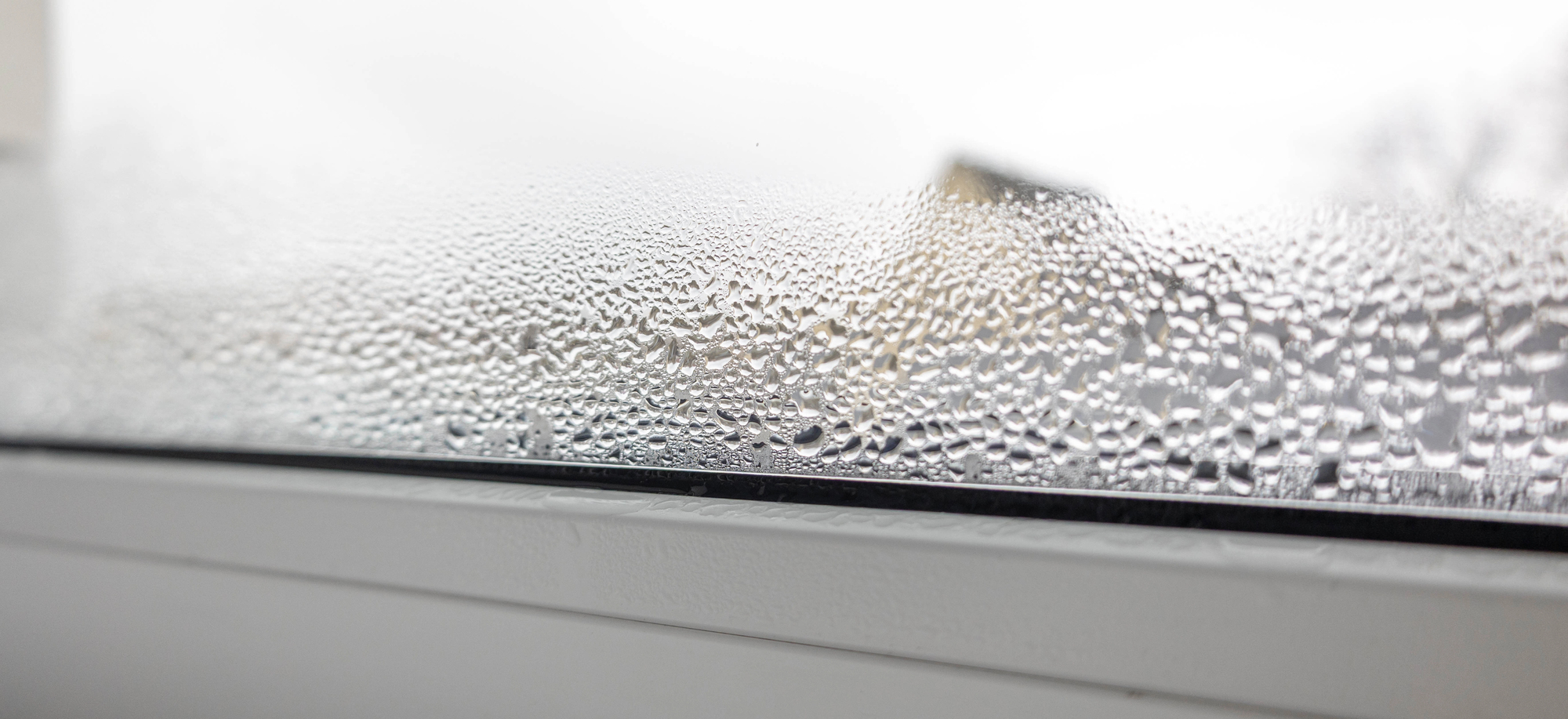
Most bathroom condensation forms on the inside surface of the glass and can be managed with better ventilation and heating.
But if you’re seeing condensation, fogging, or a cloudy haze between the two panes of your double glazed window, that’s a different problem entirely.
Condensation between the panes means the seal on the double glazed unit has failed.
The insulating gas has escaped, moisture has got into the gap, and the window is no longer performing thermally.
No amount of ventilation will fix condensation that’s trapped between the glass layers, because you can’t reach it without breaking the seal.
A failed sealed unit also makes the condensation problem on the inner surface worse.
The fix is straightforward.
We replace the failed sealed glass unit within your existing window frame.
It’s a common repair in bathrooms because the constant humidity puts more stress on window seals than any other room in the house.
Stop Condensation in Your Bathroom From Damaging Your Windows
Bathrooms produce more moisture than any other room in the house, and that moisture puts your windows under constant stress.
Good ventilation, sensible heating, and a quick wipe of the glass after showering will prevent most condensation problems from turning into damp, mould, or seal damage.
But if the seal has already failed and you can see fogging between the panes, ventilation alone won’t fix it.
At Totalseal Repairs, we replace failed sealed units, repair window hardware, re-seal frames, to help fix the causes of condensation problems in bathrooms across Central Scotland.
If you are interested in our services, give our friendly team a call today and we will get you sorted.