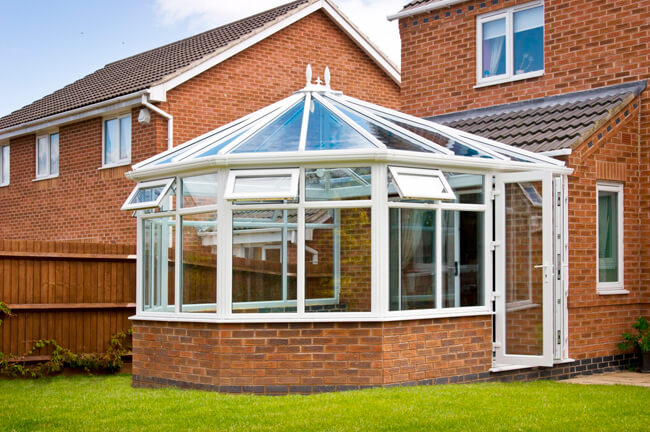
How Long Does Double Glazing Last in Scotland
If your double glazing was fitted in the early 2000s or the late 1990s, you’re probably starting to wonder how much longer it’s got left. The short answer is that double glazing in Scotland typically lasts between 15 and 25 years before the sealed units start to fail.
But that number depends on where you live, what your windows are made of, how well they were installed, and how much weather they’ve had to deal with.
How long double glazing typically lasts – Guide by double glazing Edinburgh experts
A modern double glazed window, properly manufactured and installed, should last somewhere between 20 and 30 years. Some last even longer. And for a sheltered spot with good-quality materials, 35 years isn’t unusual.
But there’s an important distinction that most people miss. A double glazed window has two separate parts that age at different rates. The frame itself and the sealed glass unit.
The frame (usually uPVC in Scottish homes) can last 25 to 30 years or more. It might discolour slightly or stiffen up, but structurally it often outlives the glass inside it.
The sealed unit (the double glazed glass panel) is what usually fails first.
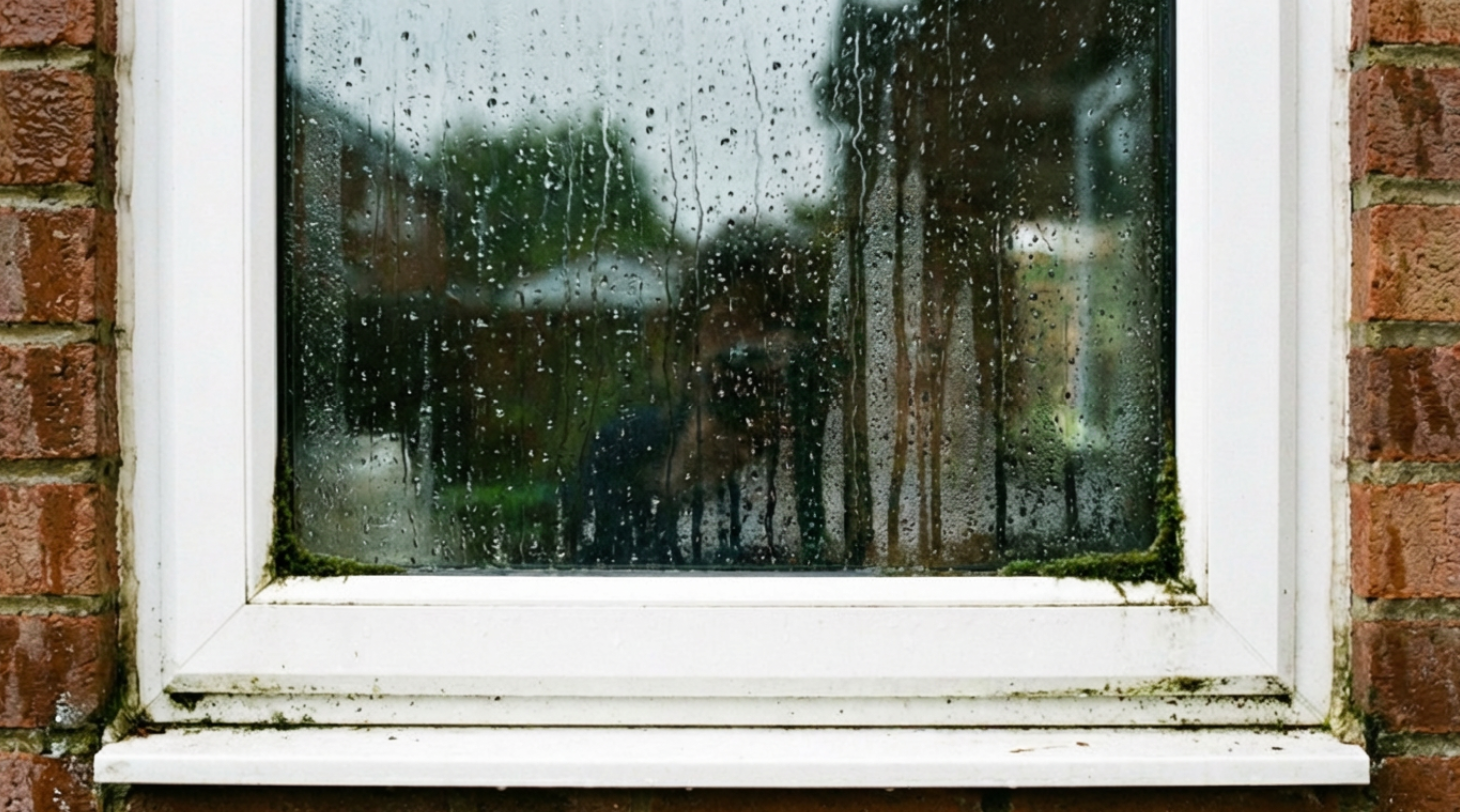
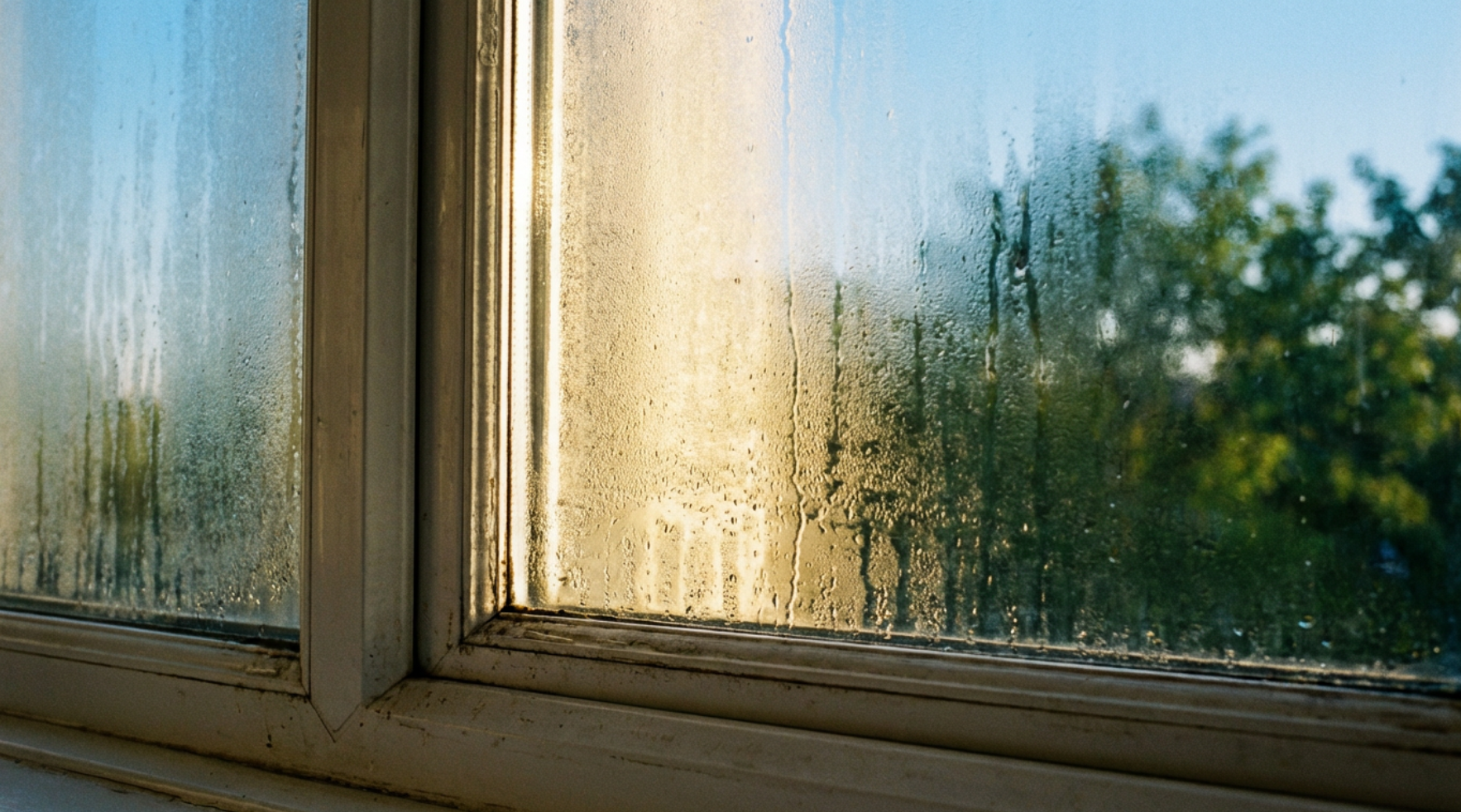
Most sealed units last 15 to 25 years before the edge seals break down and moisture starts getting in. That’s when you see misting, fogging, or condensation trapped between the panes.
This matters because when the glass fails, you don’t automatically need new windows. You need new sealed units. The frame stays.
What affects the lifespan of double glazing in Scotland
Several things determine whether your windows last 15 years or 30. Some you can control, and some you can’t.
Quality of the original installation
If the windows were measured accurately, seated properly in the openings, and sealed correctly around the frames, they’ll last far longer than windows that were rushed in by a crew cutting corners.
Poor installation can lead to water sitting against the sealed units, uneven pressure on the glass, and seals that start failing within a few years rather than a couple of decades.
That’s why we always recommend going with a reputable installer from the outset to avoid any issues further down the line.
Quality of the sealed units
Not all sealed units are built to the same standard.
A unit with a proper dual seal, quality desiccant in the spacer bar, and an argon gas fill will outlast a budget unit with thinner seals and air instead of gas.
If your windows were installed by a reputable company using quality components, the sealed units should be towards the longer end of the lifespan range.
Which way the windows face
South-facing windows consistently fail before north-facing ones. This is because they absorb more direct sunlight, which causes bigger temperature swings in the glass throughout the day.
The constant expanding and contracting gradually weakens the edge seals.
West-facing windows can also take a battering, particularly in Scotland, where the prevailing weather comes from the west.
Rain driven by strong winds hits the seals harder and more often.
Exposure and location
A ground-floor window sheltered by a porch or overhang will generally last longer than an exposed upper-floor window that takes the full force of the wind and rain.
Properties in coastal areas deal with salt spray on top of everything else, and salt accelerates the breakdown of sealant materials.
If you live near the coast in Ayrshire, Fife, or anywhere along the Scottish coastline, your sealed units may have a shorter working life than identical units on a sheltered inland property.
How the Scottish climate affects your windows
Scotland isn’t always kind to double glazing. The combination of cold winters, damp air, frequent rain, and strong winds means sealed units here work harder than they would in a drier inland climate.
The temperature difference between a heated room and a cold Scottish winter night puts constant thermal stress on the sealed units.
Scotland also has a higher average humidity than most of England, which means more moisture in the air attacking the edge seals from the outside.
Add regular rainfall and the occasional storm battering the windows, and it’s no surprise that sealed units in Scottish homes tend to fail earlier than the national average suggests.
None of this means your windows are faulty or were badly installed. It just means the Scottish climate is tougher on them.
How long different frame materials last
The frame and the glass age independently, so it’s worth knowing what to expect from each.
uPVC frames
uPVC is by far the most common frame material in Scottish homes. A well-made uPVC frame typically lasts 20 to 30 years. It won’t rot, doesn’t need painting or much maintenance, and holds up well in wet conditions.
Over time, it can yellow slightly or become brittle in very exposed locations, but most uPVC frames will comfortably outlast the first set of sealed units fitted inside them.
Aluminium frames
Aluminium is becoming more popular in new builds and renovations. It’s stronger than uPVC, allows for slimmer sightlines, and can last 40 to 45 years with minimal maintenance.
The powder-coated finish resists corrosion, which makes it a good choice for coastal properties.
Timber frames
Well-maintained hardwood timber frames can last 50 years or more. They need regular painting or staining to protect against moisture, and in Scotland’s climate that maintenance schedule is non-negotiable.
Neglected timber frames rot, particularly at the bottom corners where water collects. But a cared-for timber window will outlive everything else.
Regardless of the frame material, the sealed unit inside will almost certainly need replacing at least once during the life of the frame.
Signs your double glazing needs attention
Not all of these mean you need new windows. Some point to a failed sealed unit, some to worn hardware, and some to the frame itself reaching the end of its life.
Misting or condensation between the panes
If you can see fog or moisture between the two sheets of glass that you can’t wipe from either side, the sealed unit has failed. This is by far the most common issue we see.
But not to worry, it generally only requires a new sealed unit, not a new window.
Draughts around the frame
If you can feel cold air coming in around the edges of the window, the frame seals or gaskets may have perished. In many cases, these can be replaced without changing the window. But if the frame itself has warped or cracked, that’s a different matter.
Difficulty opening or closing
Stiff handles, dropped sashes, or windows that won’t lock properly usually point to worn hinges, mechanisms, or handles rather than a problem with the glass or frame.
These are all replaceable parts.
Visible damage to the frame
Cracking, warping, or rot in the frame (timber windows especially) is the one situation where the frame itself may need replacing. A cracked uPVC frame that’s gone brittle after 25 years has reached the end of its useful life.
Increased noise from outside
If the street noise seems louder than it used to, the sealed unit may have lost its gas fill. Argon gas helps with sound insulation as well as thermal performance, so once it’s gone the window lets more noise through.
We can inspect your window for you to let you know whether you may need a replacement.
When repair makes more sense than replacement
This is where most double glazing companies and homeowners part ways.
If you call a glazing company because one window has misted up, the chances are they’ll quote you for a full set of new windows.
But if your frames are sound and only the sealed units have failed, replacing the entire windows is like scrapping a car because of a flat tyre. The frame, hinges, locks, and handles are usually all fine. Only the glass panel needs replacing.
A double glazing repair specialist carefully removes the seal, lifts out the old sealed unit, and fits a brand new one.
The new unit comes with fresh desiccant in the spacer bar, a proper factory seal, and an argon gas fill for full thermal performance.
The job typically takes only a few hours per window. And it costs a fraction of what new windows would, and in most cases, it’s all that’s needed.
There’s also a sustainability argument.
Manufacturing and transporting a complete new window has a far bigger environmental footprint than replacing just the glass unit. If the frame has another ten years in it, why throw it away?
How to get more life out of your double glazing
You can’t stop sealed units from ageing, but you can avoid speeding the process up.
Maintain your drainage slot
Keep the drainage slots at the bottom of your window frames clear. These small openings let water escape from the rebate (the ledge the glass sits on inside the frame).
If they get blocked by dirt or paint, water pools against the bottom of the sealed unit and attacks the seal.
Clean your frames and seals with warm, soapy water rather than harsh chemicals. Solvent-based cleaners and abrasive products can damage the edge seals and the frame material. A soft cloth and washing-up liquid is all you need.
Inspect rubber gaskets
Check the rubber gaskets around your windows once a year. If they’ve gone hard, cracked, or pulled away from the frame, cold air and moisture can get in around the edges.
Gaskets are inexpensive to replace and can extend the effective life of the window considerably.
Use trickle vents
Keeping a steady flow of air through the house reduces condensation on the glass, which in turn reduces the amount of moisture sitting against the seals. So make sure to keep your trickle vents open to allow in a soft and gentle flow of air.
Reach out to Totalseal Repairs if your double glazing is failing
If one or two windows have misted up and the rest still look fine, there’s a good chance you only need sealed unit replacements on the affected windows.
The others may follow in a few years, particularly if they face south or west, but there’s no need to replace them until they actually fail.
Totalseal Repairs replace misted and blown sealed units across Central Scotland, as well as offer repairs for faulty locks and handle mechanisms. All our repairs are backed with a 5-year guarantee, and with our 30 years of experience, you can feel confident you are in safe hands.
To learn more about our services or book your repairs, contact our trusted team today on 07977 463 139 or 01324 468 337 for a free, no-obligation quote.